We will not publish a price list, and it is worth saying why rather than just declining.
A wet basement is not one job with one price. It is a category containing a two-hour crack injection at one end and a week of excavation at the other, and the same visible symptom can belong to either. Any company advertising “basement waterproofing from $X” is quoting the cheapest possible version of the cheapest possible job, and the number will not survive contact with your house.
What we can do is explain exactly what moves the price, so you can read a quote properly.
The rough hierarchy
From least to most expensive:
Surface water corrections. Downspout extensions, regrading. Sometimes a few hundred dollars, and on a real share of properties it is the whole fix.
Crack injection. A single active crack in a poured wall is a couple of hours’ work. Priced per crack.
Sump pump replacement. A day’s work, with the price set by the pump and whether you add battery backup.
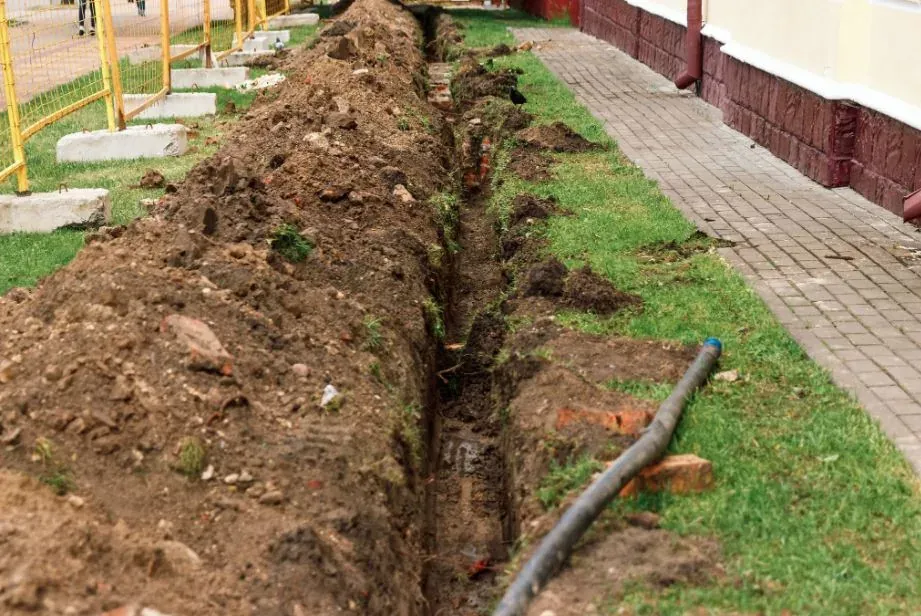
Yard drainage. Priced per linear foot, with the range driven by depth, ground conditions and, critically, whether a gravity outlet exists.
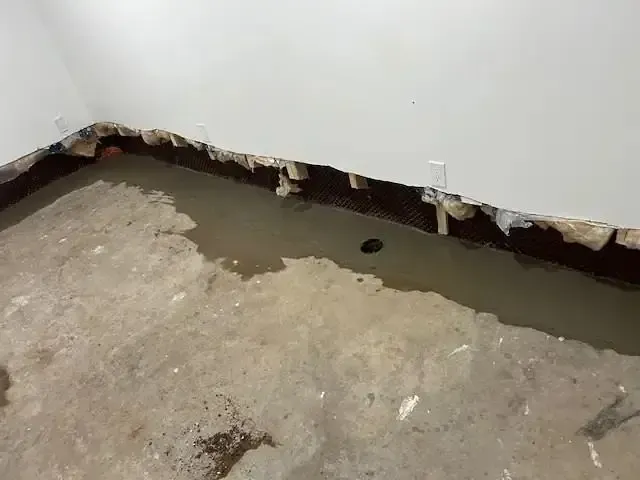
Interior perimeter drainage. Priced per linear foot of perimeter treated. This is where most serious wet basements land.
Exterior excavation and membrane. The most involved, priced by wall length and depth. Frequently a fraction of the perimeter rather than all four walls.
Engineered work. Floor lowering, walkout entrances, structural reinforcement. Quoted after a structural review.
What actually moves the number
Linear footage. Interior and exterior drainage both price per foot. A 46-metre perimeter costs roughly twice a 23-metre one, and this is the biggest single variable.
How much of the perimeter is involved. On a sloped Halifax lot, groundwater often arrives at one wall, the uphill one. Treating that wall costs a fraction of treating four. A quote that assumes full perimeter without diagnosing why is not a diagnosis.
Access. Peninsula lots are tight. If exterior work means removing and reinstating a deck, a walkway, a section of driveway or mature landscaping, that is real cost. On some lots exterior work is impossible at any price, which is exactly why interior systems exist.
Foundation type. A poured wall, a block wall and a rubble stone wall need three different approaches. Stone foundations, common in peninsula Halifax, need repointing and appropriate parging rather than injection, and that is labour-intensive.
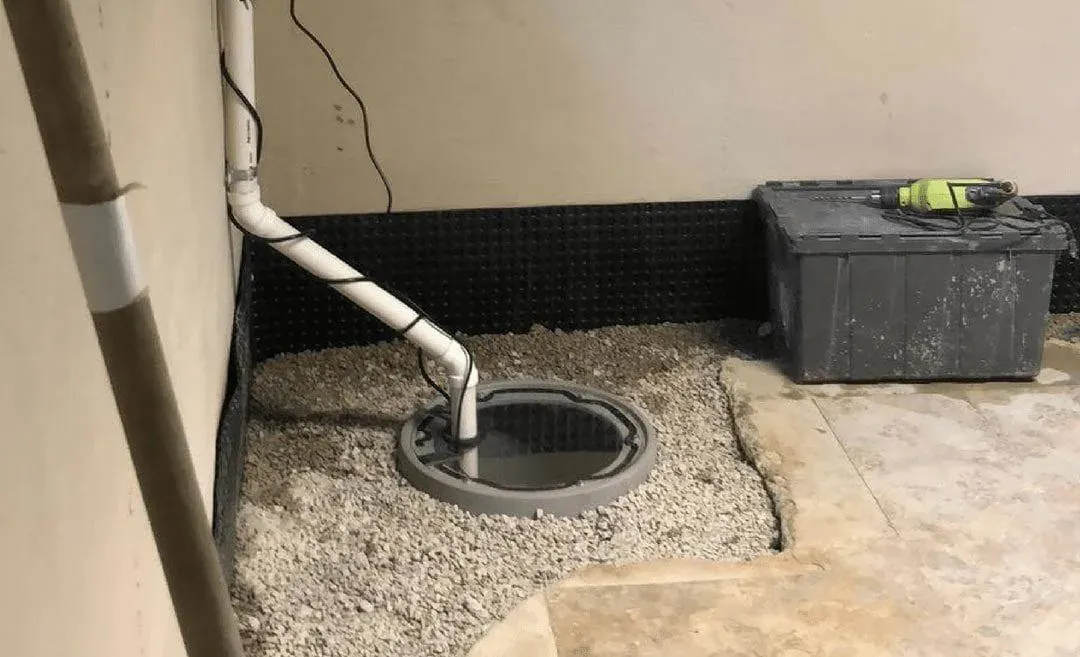
Where the water goes. A lot that falls away from the house may allow gravity discharge to daylight: no pump, no power dependency, lower cost, higher reliability. A flat lot needs a sump, a discharge run, and possibly a drywell.
Depth. Excavation cost rises faster than linearly with depth. A basement at eight feet is meaningfully more than one at six.
Interior obstructions. A finished basement means demolition and reinstatement along the affected walls. Waterproofing before finishing is substantially cheaper than after: one of the strongest arguments for doing it in the right order.
Rock. In Fall River, Hammonds Plains, Tantallon and much of the South Shore, excavation frequently means granite. That changes the equipment and the timeline.
Comparing two quotes properly
When two prices differ significantly, the gap is almost always in details you cannot see once the concrete goes back. Ask both companies the same questions:
- What are you bedding the pipe in? Clean washed stone, or pit-run?
- Is the stone wrapped in filter fabric? This is the single biggest determinant of whether a drain lasts decades or silts closed in five years.
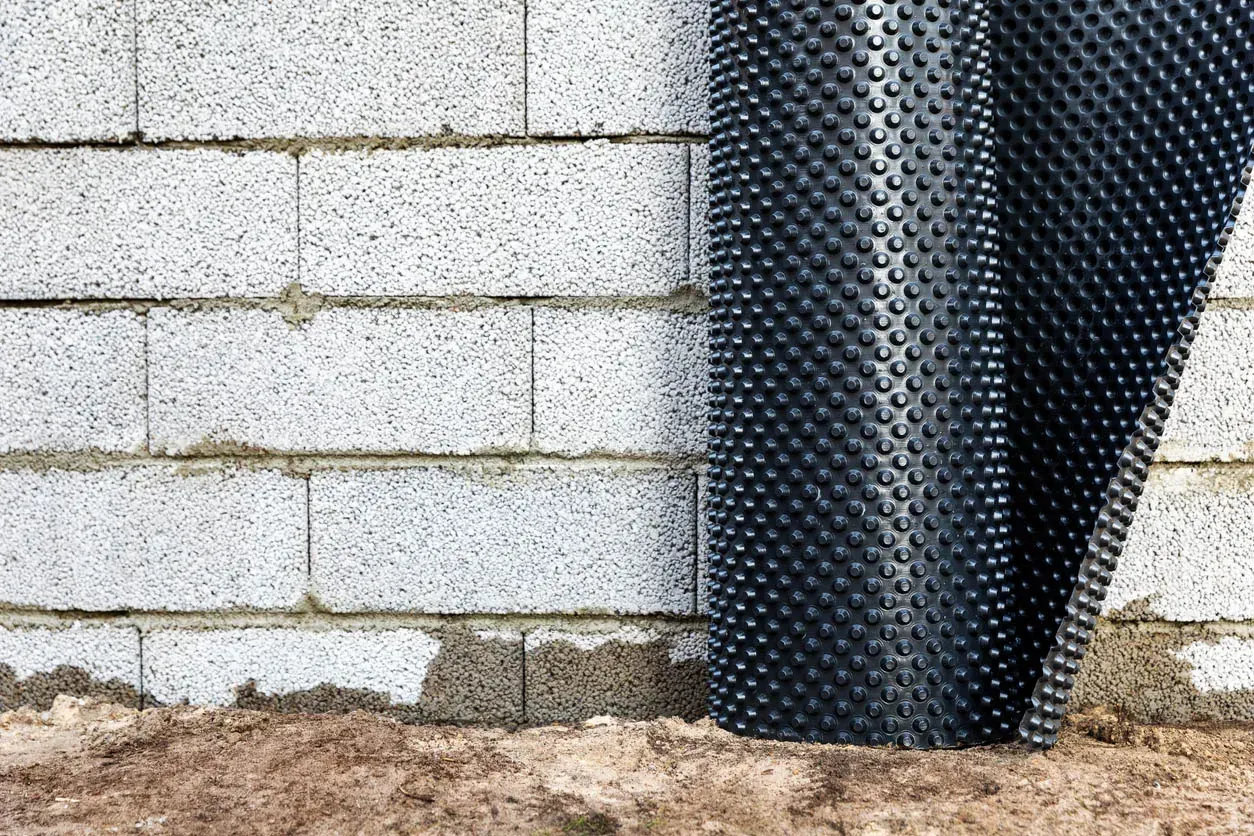
- Is dimple board included, and does it lap into the stone bed?
- Is the sump basin sealed?
- Is there a check valve and freeze relief on the discharge?
- Where does the discharge terminate? A pipe that ends two metres from the wall recycles the same water.
- Are you excavating beside the footing or beneath it? Beneath is dangerous.
- Membrane or damp-proofing? They are different products.
- What happens if it leaks again after you have finished?
- Are you using your own crews or subcontracting?
A cheaper quote that answers these well may be genuinely better value. A cheaper quote that cannot answer them is cheaper for a reason you will discover in year six.
The free part
The assessment costs nothing and produces a written diagnosis and a firm quote. If the honest answer is that extending your downspouts solves it, that is the answer you get.
Written by the crew at Maritime Basement Waterproofing.
More advice →