Interior Solutions
Crawl Space Encapsulation
Half the air on your main floor came up through your crawl space. If that space has a dirt floor, so did everything in it.
Priced by square footage and access
What you get
- Eliminates the ground moisture driving mould, odour, and rot
- Measurably drier, warmer floors above the crawl space
- Protects joists, ductwork, and insulation from long-term decay
- Turns unusable space into clean, dry storage
What a crawl space does to the rest of your house
A dirt-floored crawl space is an open connection between your home and the ground beneath it. Soil is never dry. Even ground that looks dusty on the surface is releasing water vapour continuously, and in an unsealed crawl space that vapour has one direction to travel: up.
The stack effect does the rest. Warm air escapes through your upper floors and roof, and air is drawn in at the lowest point of the house to replace it. A large fraction of the air circulating through your living space passed through the crawl space on its way in.
That is why crawl space problems present as house problems: a musty smell nobody can locate, cold floors, allergy symptoms that improve when you leave, high humidity that a dehumidifier upstairs never seems to fix.
Why the old advice was wrong
Building codes required crawl space vents for most of the twentieth century, on the reasoning that airflow dries things out. In a hot, humid maritime summer, the opposite happens.
Warm outside air holds a great deal of moisture. When that air enters a crawl space and contacts surfaces cooled by the ground beneath (joists, ducts, insulation, plumbing), it drops below its dew point and the moisture condenses out onto those surfaces. The vents are not drying the space. They are delivering water to it, every warm day, all summer.
The result is the pattern we find constantly: fibreglass batts hanging down black and saturated, white mould blooming across the underside of the subfloor, and sill plates soft enough to take a screwdriver.
What encapsulation involves
Clear it out. Debris, old vapour barrier, and failed insulation come out. Wet fibreglass has no insulating value and is a mould substrate.
Deal with liquid water first. This is where encapsulation jobs go wrong. If water actively enters the space (through the walls, up through the ground, or from a plumbing leak), sealing it in with a vapour barrier traps it. Where there is a real water problem we install perimeter drainage and a pump before any barrier goes down.
Seal the ground plane. A heavy reinforced vapour barrier covers the entire floor, laps up the walls, and is mechanically fastened and sealed near the top of the wall. Seams overlap generously and are taped so the whole thing behaves as one continuous membrane.
Close the openings. Vents are sealed. The rim joist, a major source of both air leakage and condensation, is sealed and insulated. Every penetration for plumbing, wiring, and ducting is sealed.
Condition what remains. A sealed crawl space is no longer receiving moisture, but the material in it needs to dry down and stay there. A small dedicated dehumidifier with a routed condensate line handles it and then runs very little.
What changes afterward
The immediate difference most homeowners notice is the smell. It stops.
Beyond that, the floors above the crawl space stop feeling cold, indoor humidity becomes controllable, and the structural material down there (joists, subfloor, sill plates, ductwork) is no longer sitting in the conditions that rot it. Encapsulation is one of the few basement-adjacent investments that improves comfort, air quality, and the long-term structure of the house at the same time.
Jobs like this
Crawl Space Encapsulation in practice
Questions
About crawl space encapsulation
Why seal a crawl space instead of venting it?
Venting was standard practice for decades and it is now understood to be backwards in a humid maritime climate. In summer, outside air at 22°C and 85% relative humidity enters the vents and meets crawl space surfaces sitting at 12 to 14°C. The air cools, its relative humidity climbs past saturation, and it condenses on your joists, ductwork, and insulation. You are actively pumping moisture into the space you are trying to dry. Sealing and conditioning the space removes the moisture source instead of feeding it.
Does my crawl space really affect the air upstairs?
Yes, substantially. Warm air rises and escapes through the upper floors, and the replacement air is drawn in from the lowest part of the house. This is the stack effect, and it means a large share of the air you breathe on your main floor entered through the crawl space first. Mould spores, musty odour, and soil gas come up with it. Homeowners who describe a smell they cannot locate are usually smelling their crawl space.
What thickness of vapour barrier do you use?
We use a heavy reinforced barrier rather than the thin builder's poly often found in older crawl spaces. Thin poly tears the first time anyone crawls across it and it degrades over time. If the space will be used for storage or accessed for servicing, we specify a heavier grade again. It costs marginally more and it is the component the entire system depends on.
Will encapsulation help my heating bill?
Usually yes, though it varies with the house. A sealed, dry crawl space stops the constant infiltration of cold outside air through the vents and rim joist, and dry air is far cheaper to heat than damp air. Homeowners most often report that the floors above the crawl space are simply no longer cold underfoot.
Can you encapsulate a crawl space that already has mould?
We address it first. Existing growth is remediated and affected material removed before the barrier goes in, because sealing over active mould leaves the problem in place. Once the moisture source is gone, mould has nothing to grow on: the encapsulation is what keeps it from returning.
Further reading
More on crawl space encapsulation
Does My Crawl Space Need Insulation?
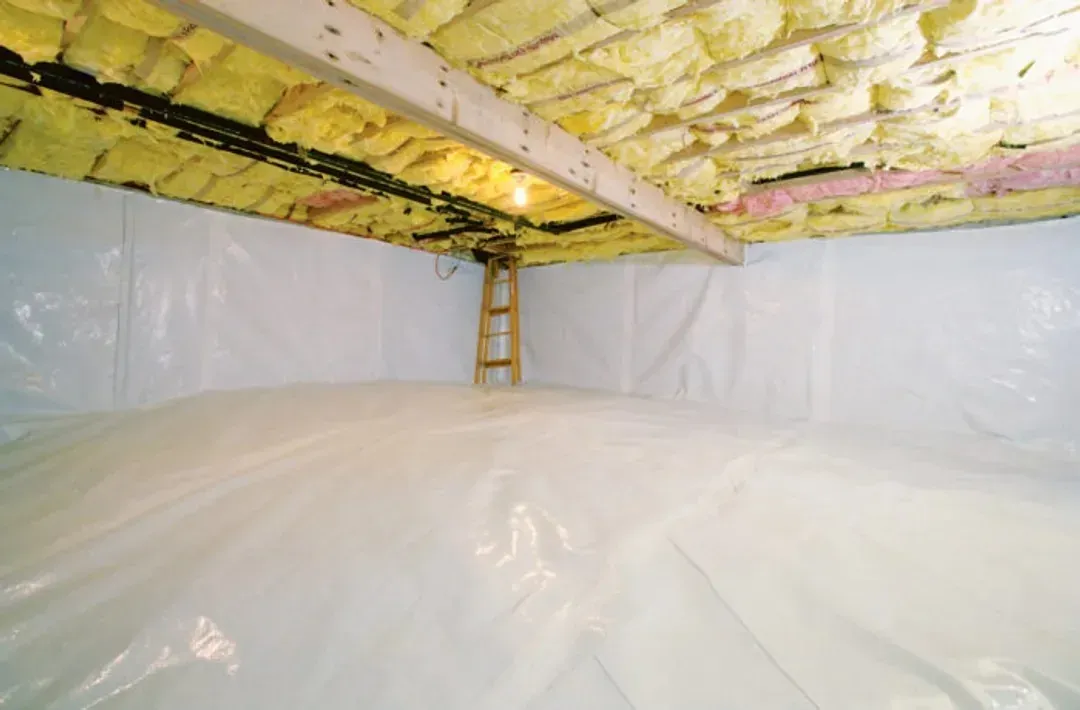
Insulating a crawl space the old way makes it wetter. Why the vents were a mistake, why fibreglass fails down there, and what actually works in this climate.
What Is Stego Wrap, and Why It Matters for Your Basement
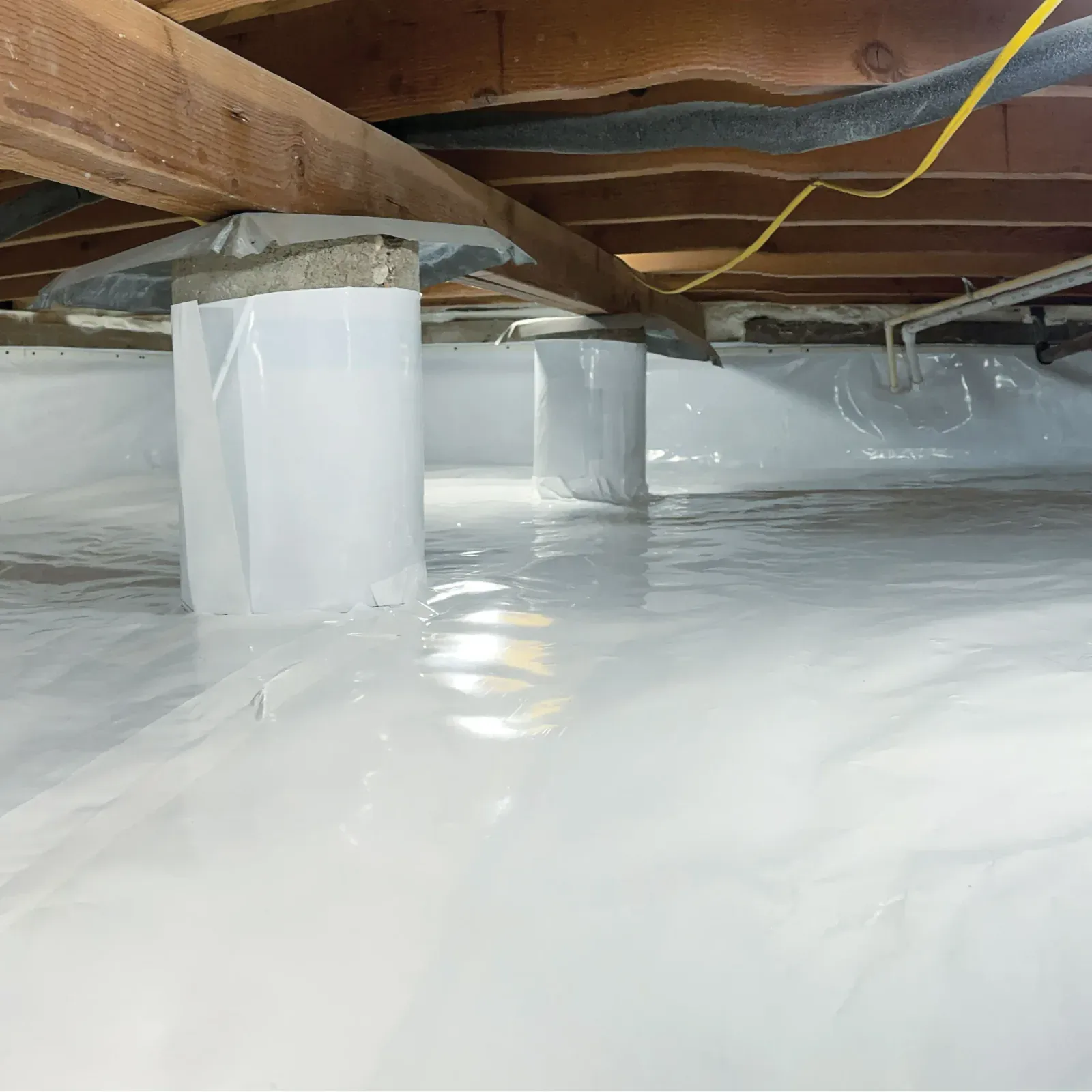
Not all vapour barriers are the same. What separates an engineered barrier from builder's poly, and why the difference decides whether encapsulation lasts.
Battling the Wet Basement Blues
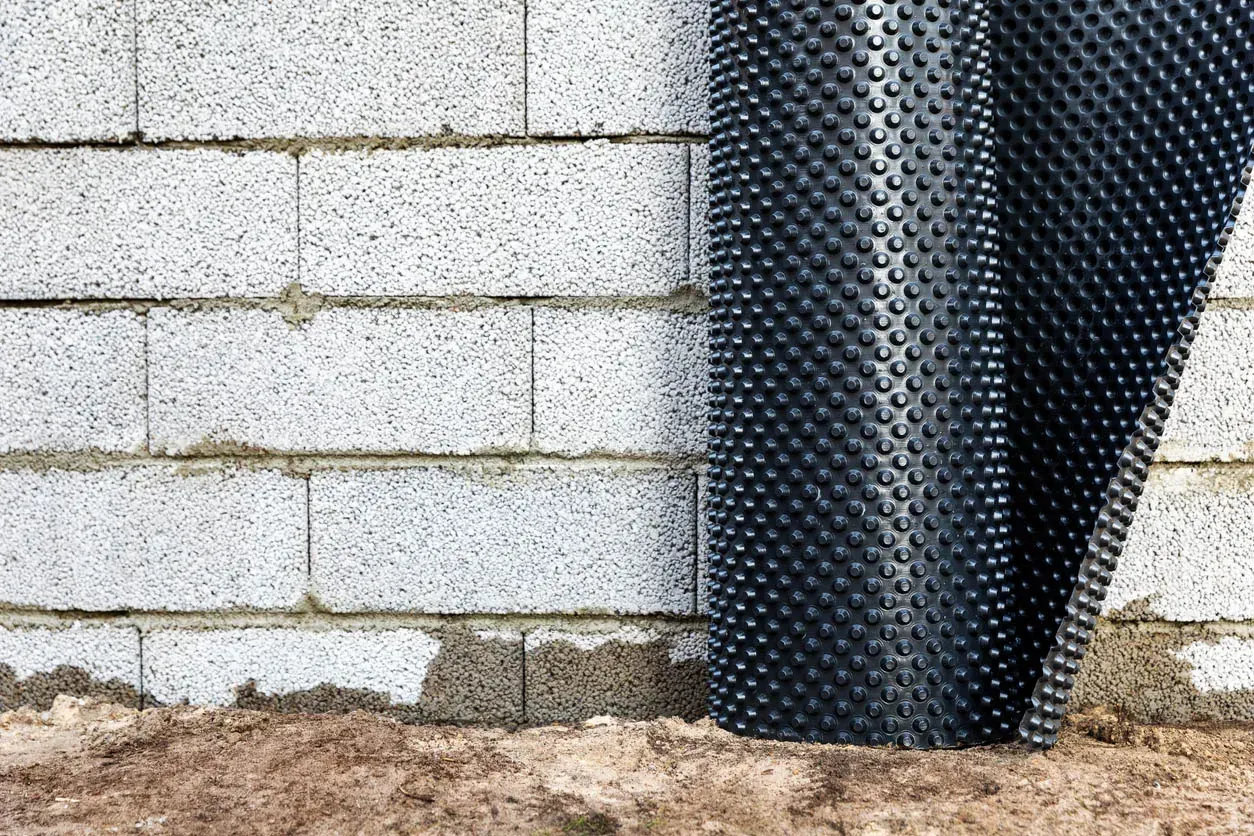
Damp smells, efflorescence, spring puddles. What the everyday symptoms of a wet basement actually mean, and why sealing the wall often changes nothing.
Where we do this work
Crawl Space Encapsulation across Nova Scotia, Cape Breton included
Free assessment
Tell us what you’re seeing.
We’ll come out, diagnose it properly, and give you a written quote. No charge, and no pressure. If a cheaper fix will solve it, that’s what we’ll tell you.
(902) 440-1500