Yes, but almost certainly not the way it was done the first time, and not before you solve the moisture.
Insulating a crawl space that is still taking on ground moisture makes it worse, not better. The insulation gets wet, loses most of its R-value, and becomes a mould substrate sitting directly under your floor.
Why the old approach was backwards
Building codes required crawl space vents for most of the twentieth century, on the reasoning that airflow dries things out. In a humid maritime climate, the opposite happens.
Warm summer air holds a great deal of moisture. When air at 22 °C and 85% relative humidity enters a crawl space through the vents and meets surfaces cooled by the ground beneath (joists, ducts, insulation, plumbing), it drops below its dew point and the moisture condenses out onto those surfaces.
The vents are not drying the space. They are delivering water to it, every warm day, all summer.
This is why the pattern is so consistent: fibreglass batts hanging down between the joists, black and saturated. White mould blooming across the underside of the subfloor. Sill plates soft enough to take a screwdriver.
Why fibreglass fails there specifically
Fibreglass insulates by trapping still air. Wet fibreglass has no still air in it, and its insulating value drops close to zero.
Worse, batts installed between floor joists are held up by wire supports or friction. As they absorb moisture they get heavier, sag away from the subfloor, and open an air gap, so even the dry portions stop working. Then they fall.
If your crawl space has drooping, discoloured batts, they are not insulating anything. They are a wet sponge under your living space.
What works instead
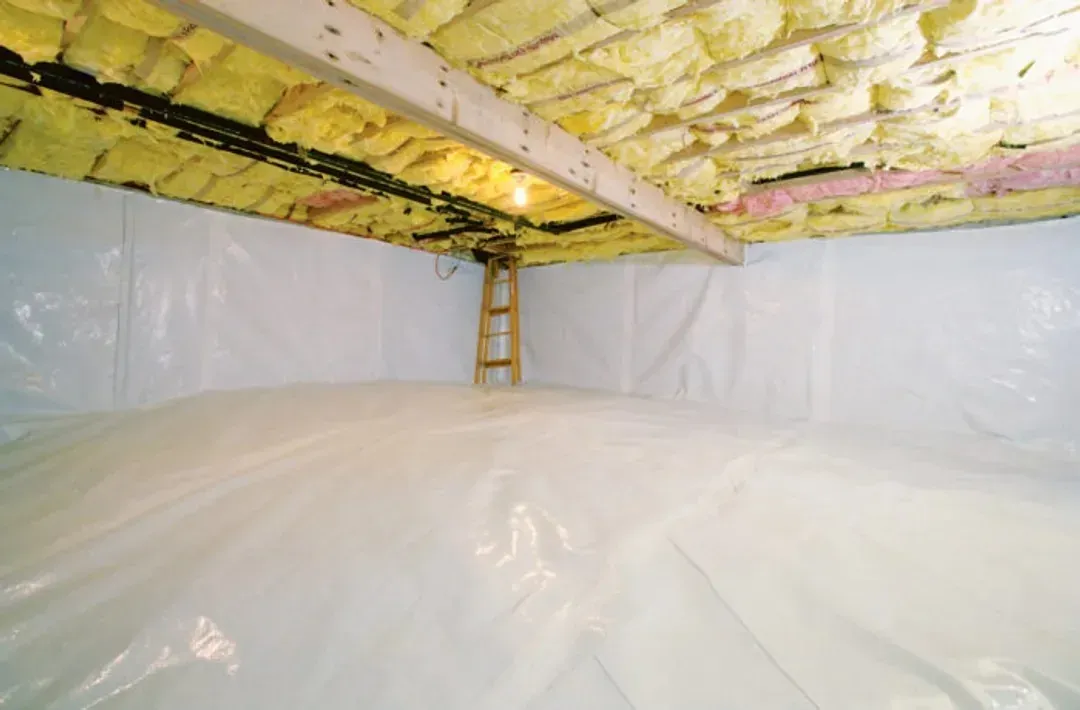
The modern approach is to bring the crawl space inside the building envelope: seal it, insulate at the perimeter walls rather than the floor above, and control the small amount of humidity that remains.
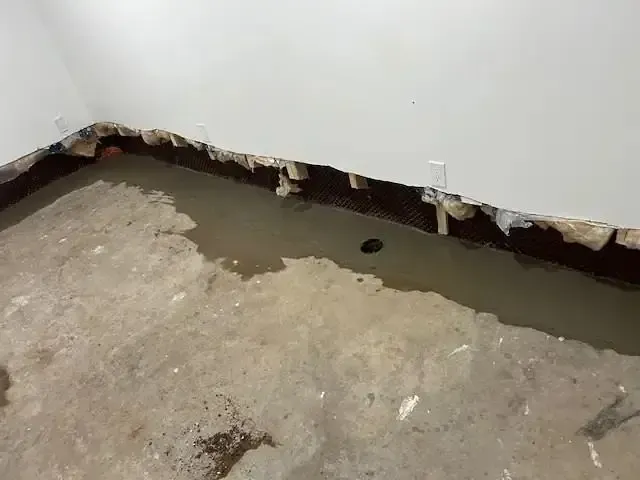
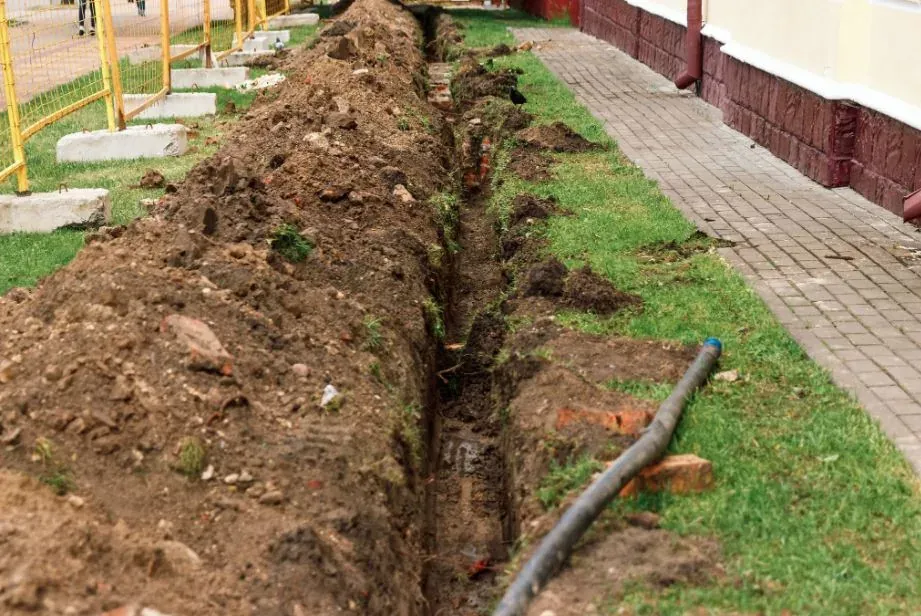
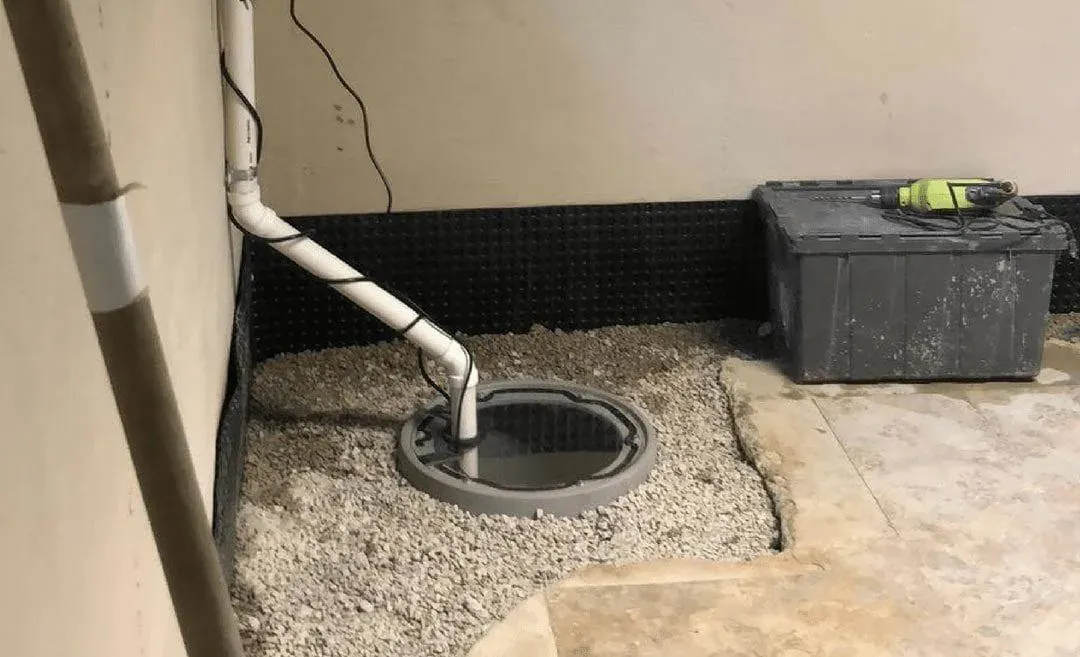
1. Deal with liquid water first. This is where crawl space jobs go wrong. If water actively enters (through the walls, up through the ground, or from a plumbing leak), sealing it in with a vapour barrier traps it. Where there is a genuine water problem, perimeter drainage and a pump go in before any barrier does.
2. Clear it out. Debris, old torn poly, and all the saturated insulation. Remediate any existing mould before sealing anything over it.
3. Seal the ground plane. A heavy reinforced vapour barrier across the entire floor, lapped up the walls, mechanically fastened near the top, seams overlapped and taped so the whole space behaves as one continuous membrane.
4. Insulate the walls, not the ceiling. Rigid foam board or closed-cell spray foam against the perimeter walls. The crawl space is now inside the envelope, so the boundary that needs insulating is the wall, not the floor above.
5. Seal and insulate the rim joist. A major source of both air leakage and condensation, and routinely missed.
6. Close the vents. That is the point of the exercise.
7. Condition what remains. A sealed crawl space is no longer receiving moisture, but the material in it needs to dry down and stay dry. A small dedicated dehumidifier with a routed condensate line handles it, and then runs very little.
What changes afterwards
The first thing most homeowners notice is that the smell stops.
Because of the stack effect (warm air escaping through the upper floors, replacement air drawn in at the lowest point), a large share of the air you breathe upstairs passed through the crawl space first. Musty odour, spores and soil gas come up with it. When people describe a smell they cannot locate anywhere in the house, they are usually smelling their crawl space.
Beyond that: floors above the crawl space stop feeling cold underfoot, indoor humidity becomes controllable for the first time, and the structural material down there is no longer sitting in the conditions that rot it.
Is it worth it?
For a crawl space that is currently vented, damp, and full of failed batts: yes, and it is usually one of the higher-return projects in the house because it improves comfort, air quality and structural longevity at once.
For a crawl space that is genuinely dry, already sealed, and adequately insulated: no. We will tell you that.
Book a free assessment and we will tell you which one you have.
Written by the crew at Maritime Basement Waterproofing.
More advice →