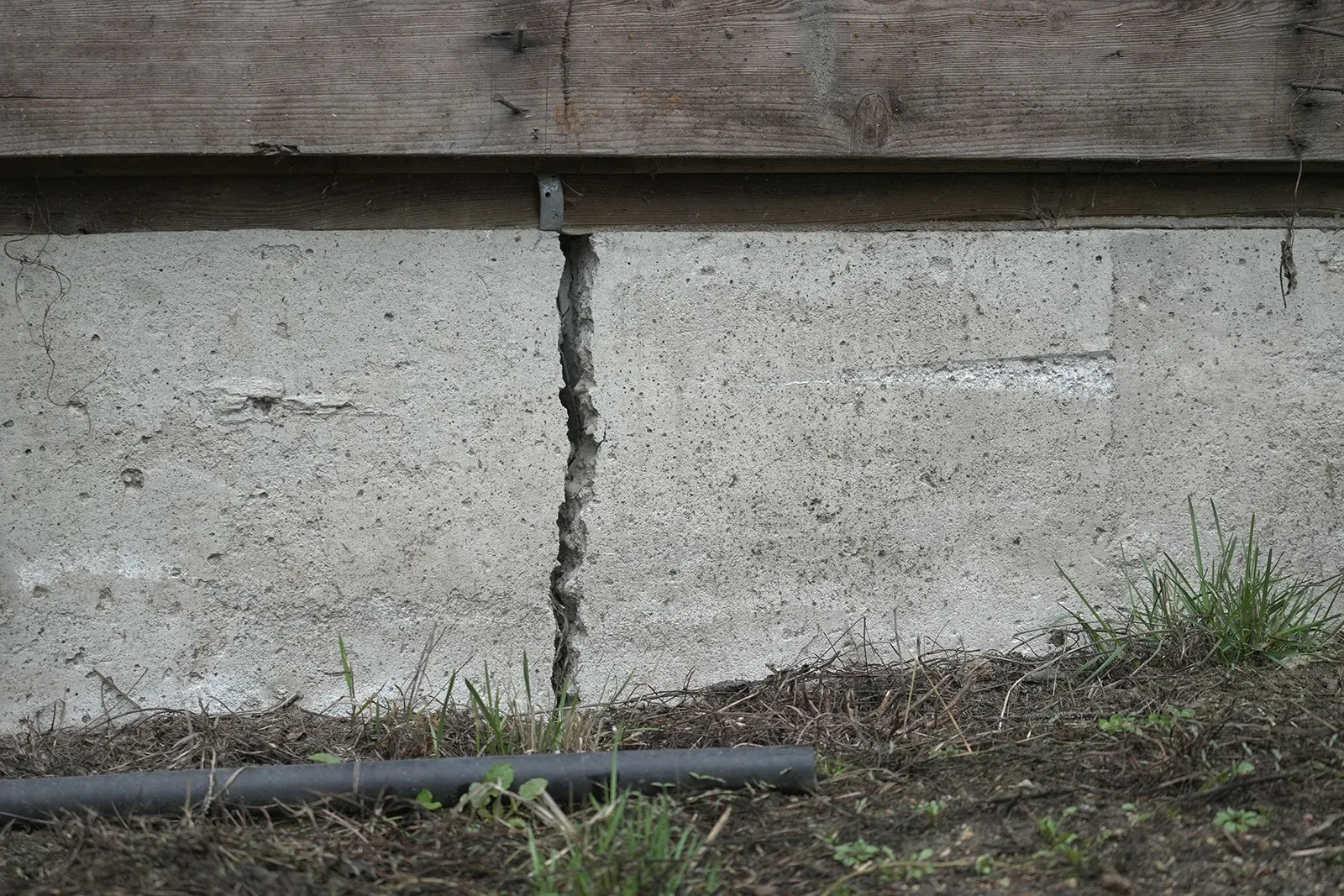
The genuinely honest answer is that the best time to repair a foundation crack is as soon as you find it. But there is a real seasonal argument here, and it is worth understanding, particularly if you are choosing between doing it now and doing it in six months.
Late summer and autumn are the sweet spot
Concrete is at its driest. Polyurethane will cure in a wet crack. That is precisely what makes it the right resin for active leaks, because moisture catalyses the reaction. But epoxy, which is what you use when the repair needs to be structural, wants a dry, clean crack to bond properly. Late summer is when you get one.
Cracks are at their widest. Concrete expands in heat and contracts in cold. A crack repaired at its widest point in August is filled at maximum opening, so winter contraction closes onto a completed seal rather than opening a gap in a fresh one.
You get ahead of freeze-thaw. This is the real argument. Water in a crack expands about nine percent when it freezes. Across a Nova Scotia winter that cycle runs dozens of times, and each one wedges the crack a fraction wider. Sealing before the first hard frost stops that clock.
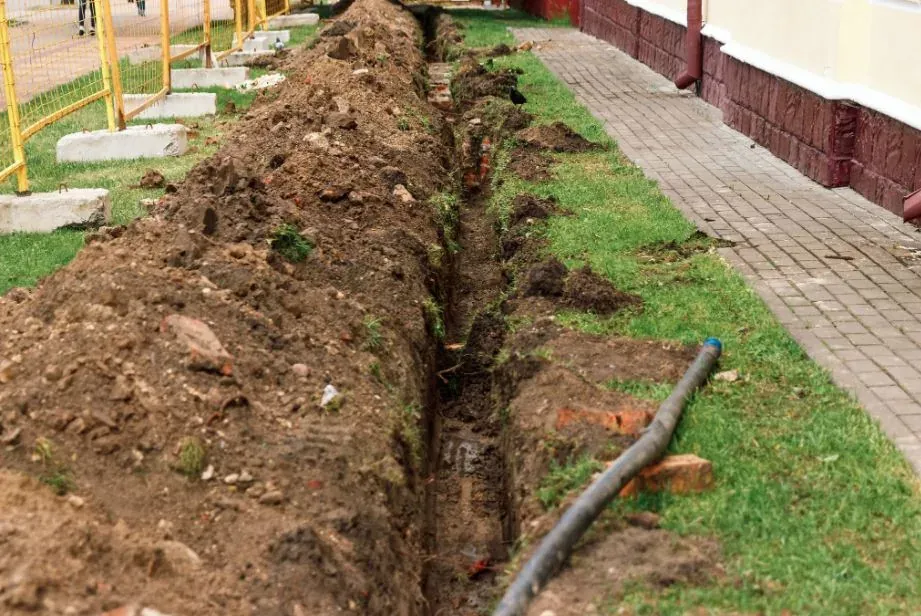
Exterior work is still possible. If the assessment shows the wall needs treating from outside, autumn is the last reliable window before frost.
Spring is the busiest, not the best
Everyone discovers their crack in April, for the obvious reason: that is when it leaks.
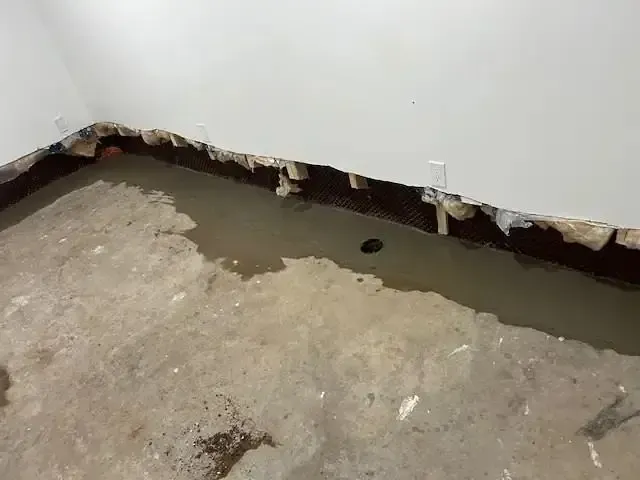
Spring melt raises the water table, saturated ground presses on the foundation, and the crack that was a dry hairline in November becomes an active leak. It is a perfectly good time to diagnose a problem (you can see exactly where water enters, which is genuinely useful), but the calendar is at its fullest, and the crack has already spent a winter getting wider.
If you find one in spring, do not wait. Just know that finding it in autumn and fixing it then is the cheaper sequence.
Winter still works for interior repairs
Crack injection happens inside a heated basement. Resin cures at basement temperature, and nothing about the process cares about the weather.
The one caveat: if a crack is actively running water during a mid-winter thaw, polyurethane handles it. If the repair needs to be structural, epoxy, we may recommend waiting for a drier stretch, or addressing the water first.
What to do the day you find one
- Mark both ends with a pencil and write the date beside it. Six months later you will know whether it is growing, which is the single most useful fact about any crack.
- Photograph it with something for scale, a coin, a tape measure.
- Note when it leaks. During rain, or hours after? During rain suggests the crack itself. Hours after suggests groundwater, and possibly a different problem entirely.
- Check the outside at the same point. A downspout discharging right there, or ground sloping toward the wall, may be the actual cause.
What not to do
Do not fill it with hydraulic cement or hardware-store caulk.
Those are surface patches. They fill the visible face and leave the rest of the wall thickness open, so water continues to travel through the concrete and simply finds the edge of the patch. They also cannot move with the wall, so the seasonal expansion and contraction that opened the crack breaks the patch loose.
Worse, a patched crack is harder to inject properly later: the patch has to come out first.
Injection fills the crack from the exterior face inward, under pressure, through the full thickness of the wall. That is why it holds.
Written by the crew at Maritime Basement Waterproofing.
More advice →