Homeowners think about foundation cracks in terms of water, because water is what they can see. But an opening through your foundation wall is an opening, and water is only the most visible thing that uses it.
Three things a crack admits
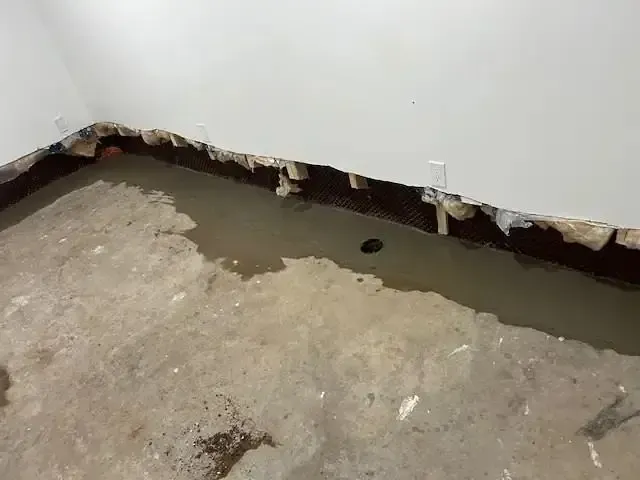
Water. The obvious one. A crack is a continuous void from the outside face of the wall to the inside face, and once the soil outside is saturated, that void is a pipe.
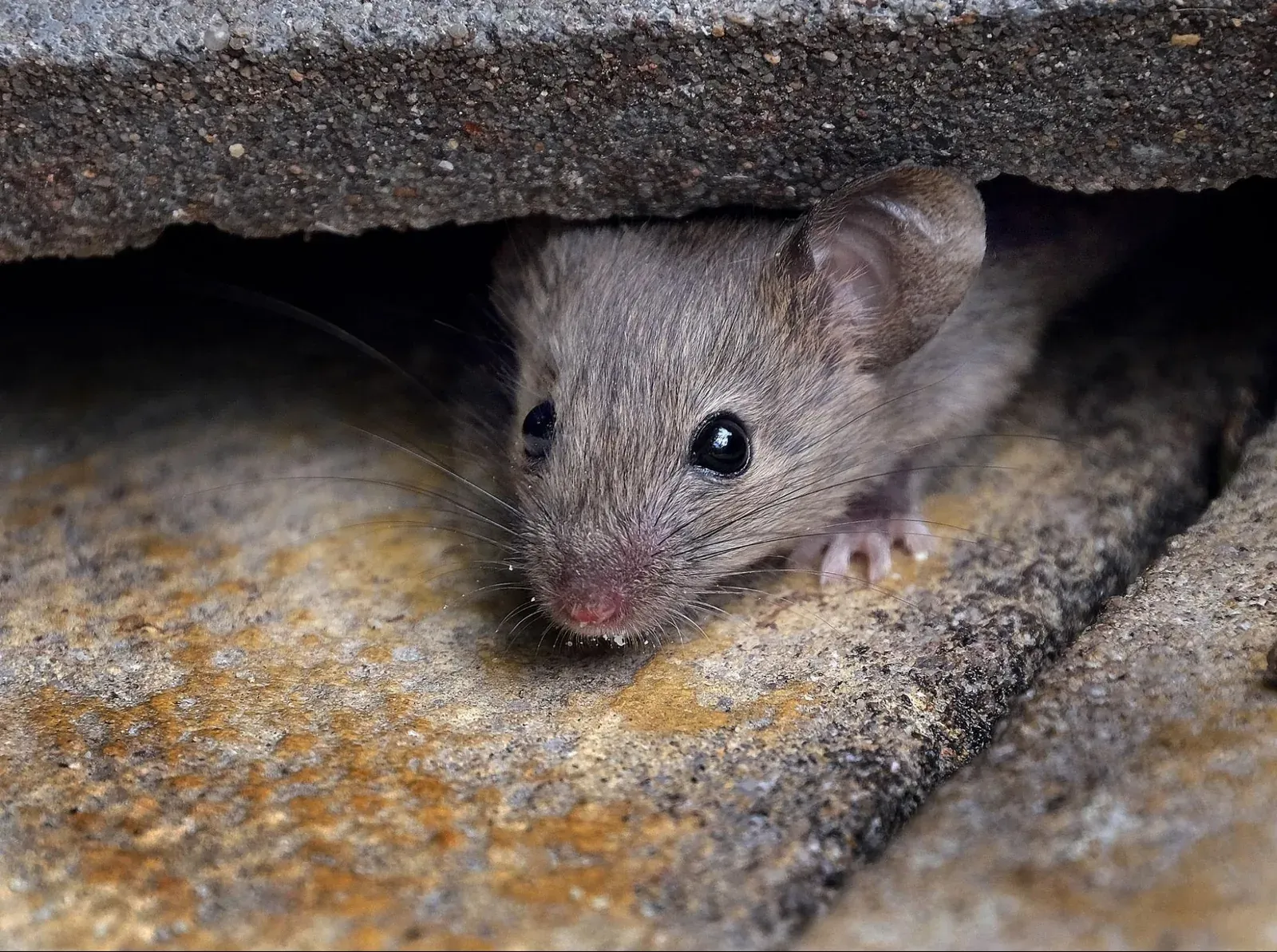
Pests. A mouse needs a gap roughly the width of a pencil. Autumn is exactly when they start looking for somewhere warm, and a foundation crack, an unsealed pipe penetration or a gap at a basement window is precisely what they are looking for. Insects need less.
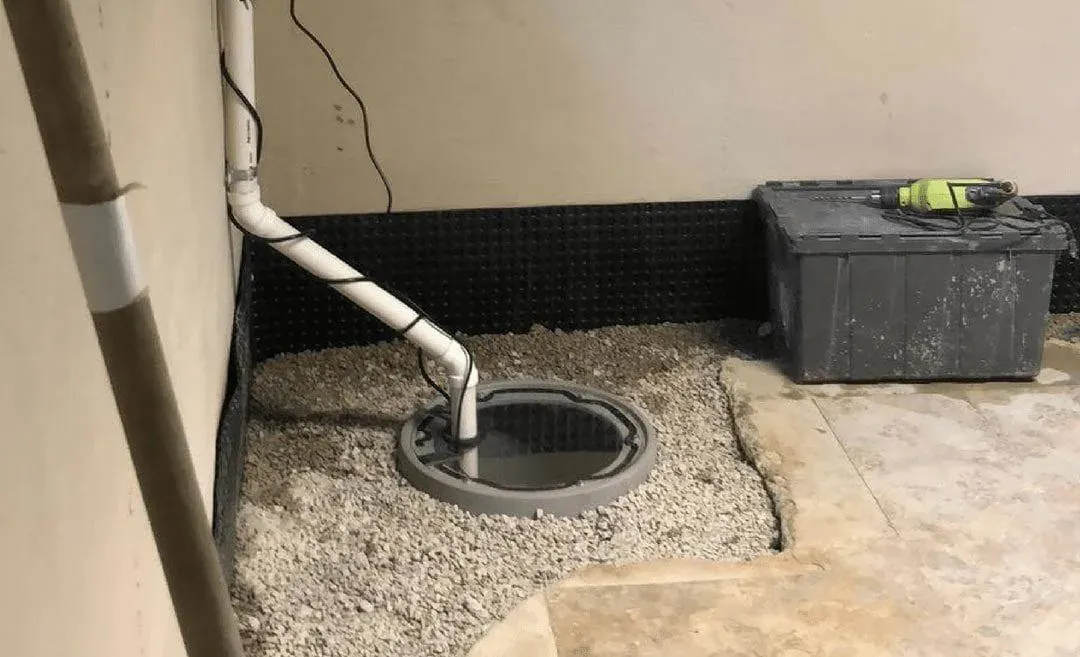
Soil gas. In parts of Nova Scotia with elevated radon, cracks and unsealed penetrations in the foundation wall and slab are a primary entry route into the living space. This is also why we seal sump basins rather than leaving open pits.
Fixing the crack properly closes all three at once. Fixing it badly closes none of them for long.
Why a surface patch does not do it
Hydraulic cement and hardware-store caulks fill the visible face of a crack and leave the rest of the wall thickness open.
For water, that means it continues travelling through the concrete and simply finds the edge of the patch. For pests, it means the void behind is still there and still connected to the outside. And because a rigid patch cannot move with the wall, the seasonal expansion and contraction that opened the crack in the first place breaks the patch loose within a season or two.
A patched crack is also harder to repair properly afterwards, because the patch has to be removed first.
What proper repair does
Injection is not filling a crack from the front. It is pressurising resin so it travels the full depth of the wall and cures against the soil side.
Ports are mounted along the crack, the exposed face is sealed so the resin cannot escape, and the pump works from the bottom port upward. When resin appears at the port above, the section between them is completely filled.
The result is a solid resin key running the whole height and thickness of the crack, no void left for water, mice, or gas.
Polyurethane expands as it reacts with moisture, which is why it works on a crack that is actively leaking: the water is a catalyst, not an obstacle. It cures flexible, so the wall can move next spring without breaking the seal.
The other openings worth checking
While you are looking:
- Pipe and wire penetrations through the foundation. Very often left unsealed or filled with expanding foam, which pests chew through easily.
- The rim joist: where the framing sits on the foundation. A major air leak and a common entry point.
- Basement windows and window wells. A well full of leaves is a well that holds water, and a rotted or ill-fitting frame is an open door. See window wells.
- The dryer vent and any exterior utility penetration.
- Crawl space vents. In a vented crawl space these are permanently open to the outside. Encapsulation closes them.
The seasonal point
Do this before autumn.
It is when mice start looking, when the rain arrives in earnest, and when you still have time to get exterior work done before frost. A crack sealed in September does not spend the winter being wedged wider by freeze-thaw.
Book a free assessment and we will walk the foundation with you.
Written by the crew at Maritime Basement Waterproofing.
More advice →