Spring is the worst basement season in Nova Scotia, and the reason is a specific combination that does not occur at any other time of year.
Why melt is worse than rain
Heavy rain in July falls on ground that can absorb some of it, into a water table that has room to rise, with vegetation actively drawing moisture out of the soil.
Spring melt does none of that. The snowpack releases weeks of accumulated precipitation over a few days. The ground beneath is still frozen, so it cannot absorb any of it. There is no vegetation drawing water down. And the water table is already at its annual high.
So the meltwater has nowhere to go but across the surface and into whatever low ground it finds, which, on a great many properties, is the strip of settled backfill immediately around the foundation.
That soil is looser than undisturbed ground, so it soaks up water preferentially, and then holds it against the wall under pressure.
Where it is worst
Truro has the most severe combination in the province: the town sits at the head of the Bay of Fundy where the Salmon and North Rivers meet the highest tides on earth. When high tide coincides with melt or heavy rain, the rivers cannot discharge, and the floodplain does what floodplains do. Heavy clay soils across the area hold water for days afterward.
Sackville sits in a valley that collects melt from the surrounding hills, with a high water table along the river.
The Annapolis Valley sees the classic groundwater version: no dramatic surface flooding, just the water table rising through the slab from below.
While water is coming in
- Safety before property. If water is near an electrical panel, a furnace, or any outlet, cut power to the basement at the breaker, from a dry position, or call an electrician. Do not stand in water to reach a panel.
- Get belongings up. Off the floor, away from walls.
- Photograph everything before you clean it up, for insurance.
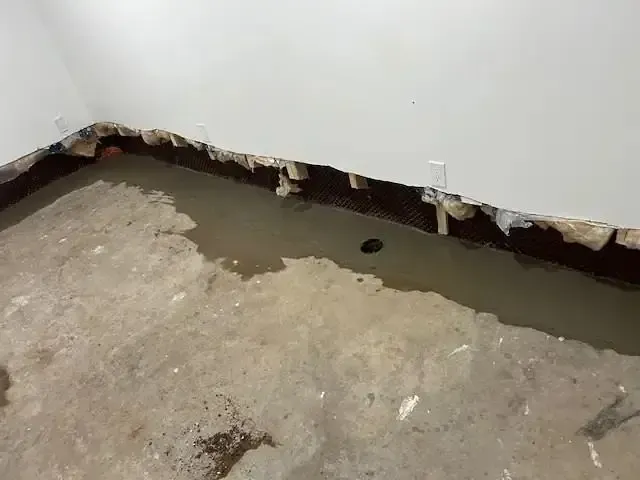
- Find where it is entering. Down a wall from a crack, or up along the floor-wall joint? Note it. That single observation determines what fix you need.
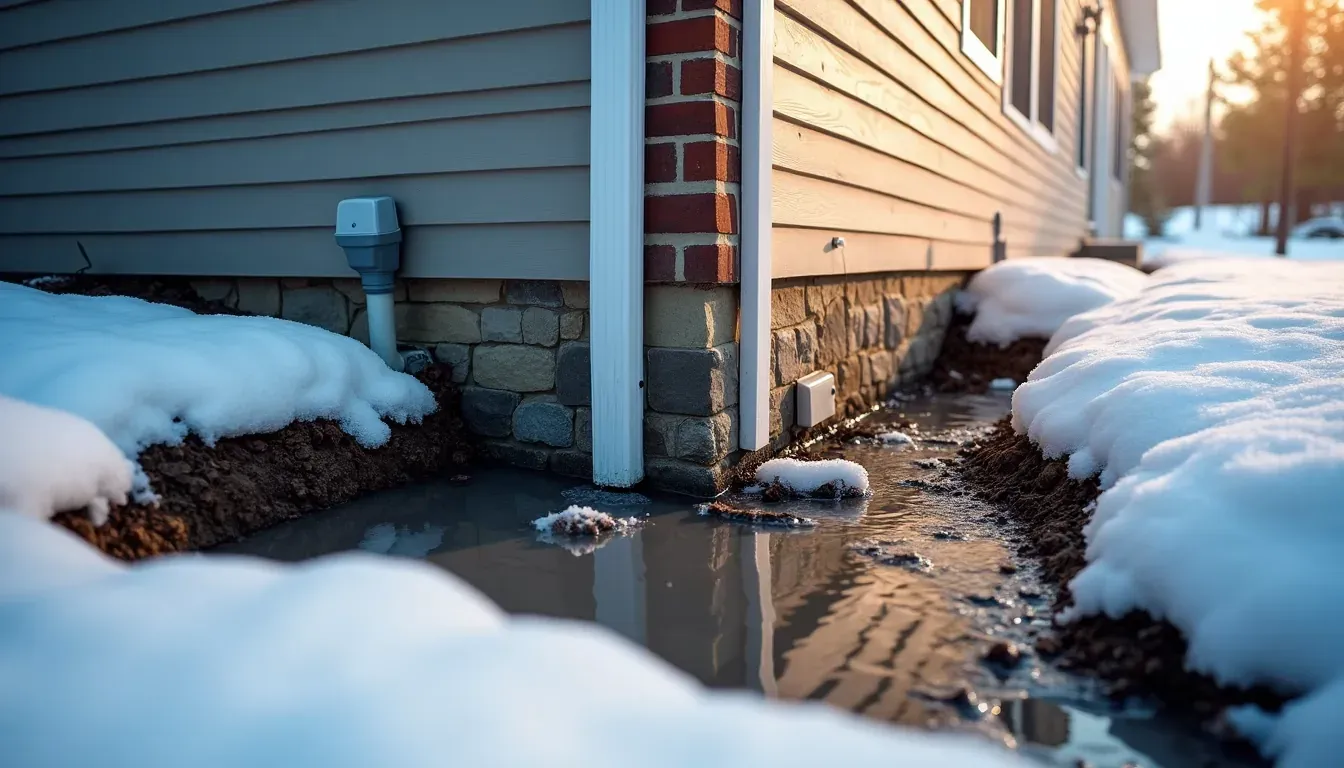
- Deal with the outside. Clear snow away from the foundation, especially over any low spot. Make sure downspouts discharge onto open ground rather than into a snowbank against the wall.
- Do not run a dehumidifier into standing water. Remove the water first.
Then, once it is dry
This is when the actual decision gets made, and it depends entirely on what you observed.
Water running down a wall from a visible crack → crack injection. A few hours’ work, and permanent.
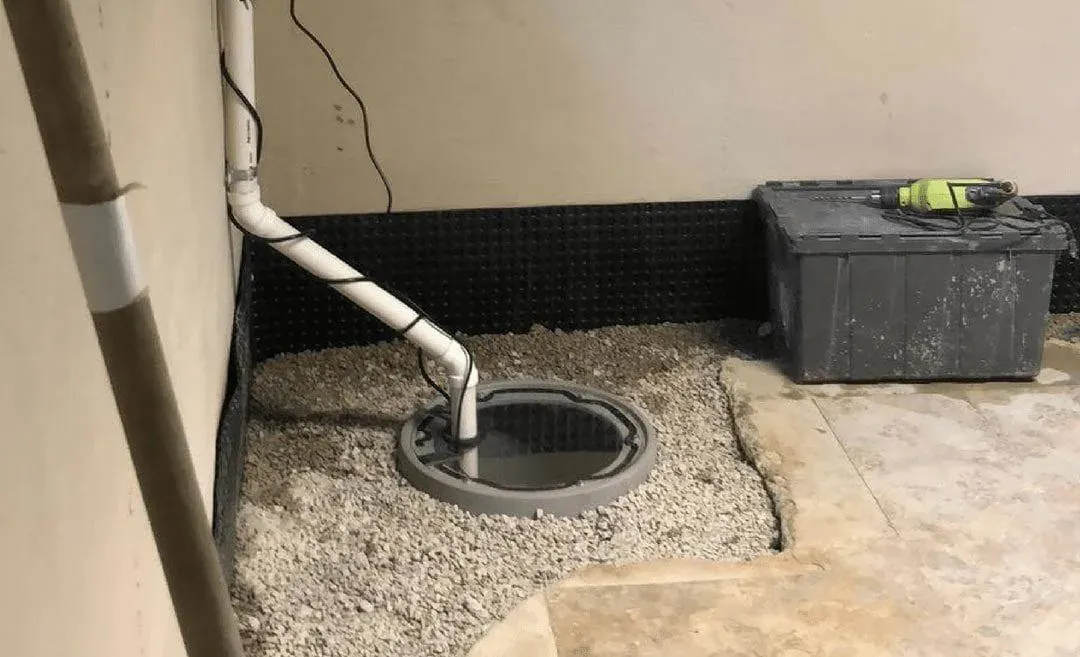
A wet line along the perimeter of the floor → the water table rose above the underside of your slab and came up through the cold joint. Nothing applied to the wall will touch it. You need interior weeping tile and a pump.
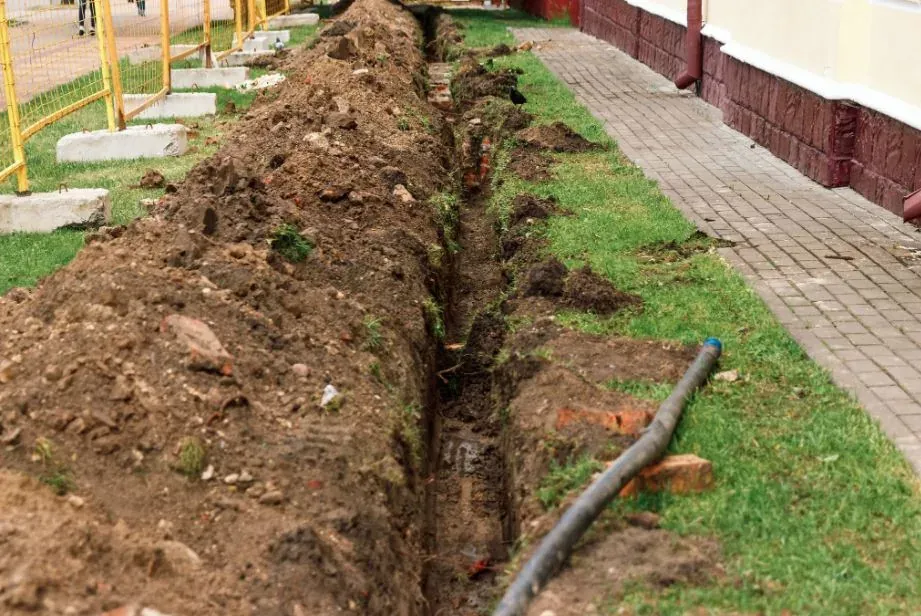
Water arriving from the yard → surface water. Downspout extensions, regrading, and where needed a French drain to intercept it above the house.
A pump that could not keep up, or failed → sizing, or a check valve, or the power went out. See sump pumps, and get a battery backup before next spring.
The insurance reality
Most home policies treat foundation seepage and gradual water entry as maintenance rather than a covered peril. Overland flood cover is usually a separate optional endorsement, and so is sewer backup and sump pump failure cover.
Check your own policy before you need it, not after. And if you do have a claim, we can document what we find and what we install.
Why not to wait until next spring
The mechanism does not pause. Every freeze-thaw cycle over the following winter widens whatever opening let water in this year, so next April’s version of the same event will be worse.
Booking the work in summer or autumn is cheaper, gets you a better date, and means the system is in and tested before the load arrives.
Written by the crew at Maritime Basement Waterproofing.
More advice →