Most foundation cracks are a water problem. Some are a structure problem. Telling them apart is the whole value of a proper assessment, because the two need different materials, different methods, and in some cases an engineer.
The distinction that matters
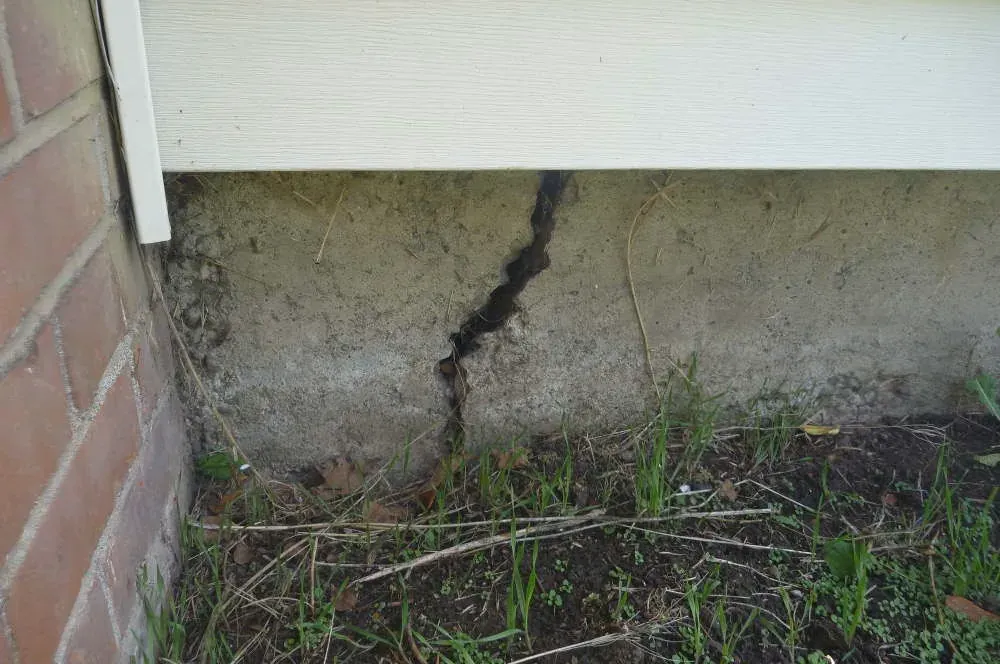
A non-structural crack is a path for water through a wall that is otherwise carrying its load exactly as designed. Shrinkage cracks in poured concrete are the archetype. They appear as the wall cures, they are typically vertical and hairline, and the house is entirely fine. Seal it and you are done.
A structural crack means the wall’s ability to carry load has been compromised, or something is actively moving it. Sealing it treats a symptom and leaves the mechanism running.
Signs a crack is structural
- Horizontal cracking, particularly with any inward bow
- Stair-step cracking through mortar joints in a block wall
- One face of the crack displaced out of plane with the other
- Width beyond roughly 6 mm, or visibly widening over time
- Cracks radiating from a corner or a beam pocket
- Doors and windows on the floor above beginning to stick out of square
- A crack that reappears in the same place after a previous repair
Any one of these is worth a look. Two or more together, and you should not be shopping for sealant.
What restoring strength involves
Epoxy injection
Structural epoxy cures rigid and stronger than the surrounding concrete, effectively welding the two faces of the crack back into a single monolithic section. Where a wall has cracked but is no longer moving, this genuinely restores its original capacity.
It needs a relatively dry, clean crack, and it will not tolerate future movement: a rigid weld across a joint that still flexes simply cracks again beside the repair. That is why epoxy is a structural tool and polyurethane is a water tool, and why we ask which problem we are solving before choosing.
Steel staple stitching
Slots cut perpendicular across the crack, heavy steel staples set in non-shrink grout. High tensile capacity, well suited to wide or displaced cracks in thick walls.
Carbon fibre reinforcement
Surface-bonded straps with enormous tensile strength and almost no thickness. Used across cracks, and (in a different configuration, vertically up a wall) to resist the lateral soil pressure that causes bowing.
Relieving the load
This is the step that gets skipped, and it is the one that determines whether the repair lasts. If a wall is cracking because saturated soil outside is pushing on it, reinforcing the wall without addressing the pressure means you have made a stronger wall and left the force intact.
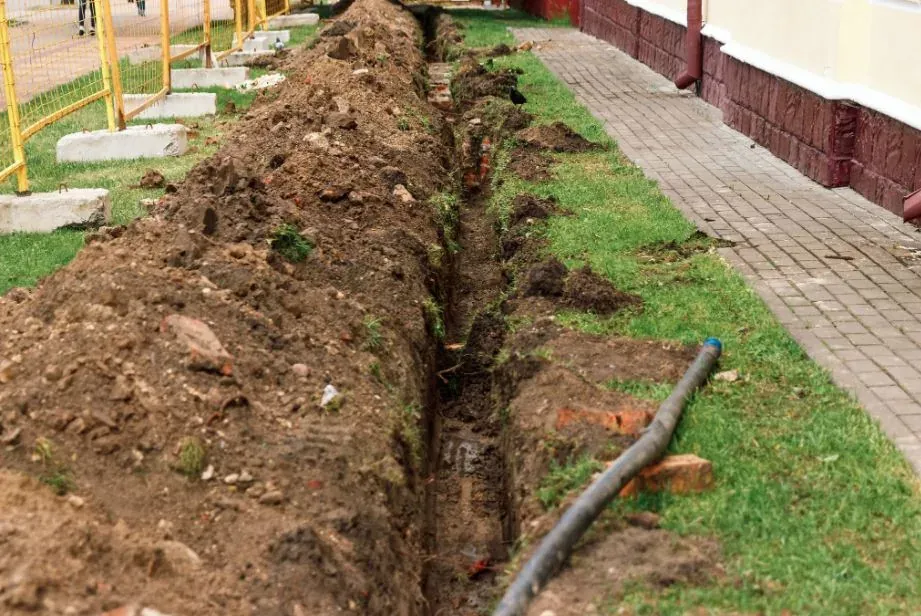
Relieving it usually means excavation, membrane, functioning footing drainage, and correcting the grade so water is not accumulating against the foundation in the first place. See exterior waterproofing.
When an engineer is needed
We bring in a structural engineer, or tell you to, when:
- A wall is visibly bowing or leaning
- There is measurable ongoing movement
- The crack pattern suggests footing settlement rather than wall stress
- The repair will support a change of use, such as a secondary suite
- A municipal permit requires stamped drawings
That is not us passing the problem along. A contractor who never involves an engineer on a genuinely structural wall is either very lucky or not looking closely.
The honest version
Most of what we see is not structural, and we will say so. A hairline vertical crack in a poured wall that leaks in spring is a two-hour injection, not a crisis.
But when it is structural, sealing it is worse than doing nothing, because it hides the evidence you would otherwise use to notice it getting worse.
Book a free assessment and we will tell you which one you have.
Written by the crew at Maritime Basement Waterproofing.
More advice →